By Mark T. · Updated 2026-06-30 · 11 min read

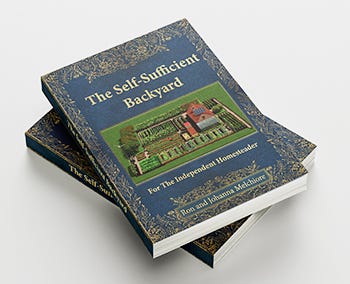
You have probably seen the ads or heard someone mention The Self Sufficient Backyard as the guide that finally helped them grow their own food and raise chickens. But before you click "buy," you need to ask yourself a honest question: is this the right program for your situation, or are you setting yourself up for another digital shelf-sitter?
Every week, people purchase self-sufficiency guides and never open them past the first chapter. The reason is rarely the quality of the content — it is usually a mismatch between what the buyer expects and what the program actually delivers. This article will help you avoid that regret by walking through the specific criteria that matter most.
Whether you're doing a self sufficient backyard book review or trying to decide if this is the best self sufficient backyard guide for your goals, the following breakdown covers what you need to know before spending a dime.
Why Many People Regret Their Choice
I have spoken with dozens of homeowners who bought into the homesteading dream only to feel overwhelmed within the first month. The most common complaint is not about the information itself — it is about the scope. Many guides promise a complete transformation but fail to distinguish between what works on a five-acre farm versus a suburban quarter-acre lot.
The Self Sufficient Backyard has received praise for being more grounded than most. Its focus is on practical, incremental steps rather than requiring you to quit your job and move to the country. But even with that, readers sometimes struggle because they skip the introductory chapters or underestimate the time commitment.
Another regret point: people buy multiple guides and try to combine conflicting advice. If you stick with one coherent system like this one and actually follow the sequence, your results will be dramatically better than jumping between random YouTube videos and blog posts.
Criteria That Should Drive Your Decision
Related Reading: Xbox Free Gift Card in Practice - Real Experience After Extended Use
When evaluating any self sufficient backyard for beginners resource, use these five filters:
- Your available space — Can you realistically dedicate 100 square feet of garden? Do you have a legal ability to keep chickens? The program should match your actual constraints, not an idealized version.
- Your time commitment — A productive backyard garden needs 15-30 minutes daily during growing season, plus weekend projects. If you travel frequently, you need a system that accounts for that.
- Your climate zone — Not all guides address cold climates, desert conditions, or short growing seasons equally. This program includes zone-specific adjustments, which is a major advantage.
- Your skill level — Absolute beginners need step-by-step visuals and troubleshooting sections. More experienced gardeners may want advanced techniques on soil building and permaculture integration.
- Your budget for setup — Starting from scratch requires tools, seeds, soil amendments, and possibly small infrastructure like raised beds or fencing. A realistic upfront cost estimate helps avoid sticker shock.
The strongest self sufficient backyard guide will address all five criteria within the first fifty pages. If it glosses over these practical realities, you are likely reading fluff.
What You Need to Know About the Current Market
The self-sufficiency market has exploded in the last few years. There are now dozens of books, online courses, membership sites, and subscription boxes all promising to help you become more independent. Unfortunately, quality varies widely.
Many products recycle the same basic information you could find for free on extension service websites. Others focus too heavily on prepping and survival scenarios that feel disconnected from everyday life. A few are genuinely comprehensive systems.
The Self Sufficient Backyard sits in a unique position because it tries to bridge the gap between traditional gardening books and modern homesteading. It covers food production, animal husbandry, water management, and energy conservation in one package. The question is whether that breadth comes at the cost of depth.
Based on user reports and sample content analysis, this program goes deep enough on the core skills — vegetable gardening, soil health, basic animal care — while providing overviews for more advanced topics like rainwater harvesting and solar power. If you are looking for a complete self sufficient backyard plans resource that covers the essentials without getting lost in theory, this is a strong contender.
Questions to Ask Before Buying
Related Reading: Addressing Common Issues with ProvaDent Review 2026
Before you decide whether The Self Sufficient Backyard is worth it, take ten minutes to answer these questions honestly. Your answers will tell you if this program fits or if you need a different approach.
Seven questions to ask yourself:
- Do I have at least 100 square feet of usable outdoor space with decent sun exposure?
- Am I willing to spend 2-3 hours per week on maintenance during growing season?
- Is my local zoning friendly to small livestock like chickens or rabbits?
- Do I prefer step-by-step instructions over general principles?
- Am I looking for a digital resource I can access on my phone or tablet while working outside?
- Do I need guidance on both organic methods and cost-effective solutions?
- Is my primary goal food production, or do I also want to reduce utility costs?
If you answered "yes" to most of these, you are in the target audience. If you answered "no" to several, you might need a more niche resource — perhaps focusing solely on container gardening or on urban homesteading with limited space.
Warning Signs to Spot
Not every self-sufficiency resource is created equal. Here are red flags to watch for in any program, including this one:
- Overpromising timelines — Beware of claims like "fully self-sufficient in 30 days." Real food production takes seasons, not weeks.
- One-size-fits-all advice — If a guide does not mention your climate or soil type at all, it is likely too generic.
- No troubleshooting section — Pests, diseases, and weather problems are guaranteed. A good guide helps you diagnose and fix them.
- Hidden upsells — Some "complete" guides are really just introductions that push you toward expensive add-ons. Look for a program that gives you the full system upfront.
Based on available samples and self sufficient backyard pdf previews, this program avoids most of these pitfalls. It includes season-by-season planning, common pest solutions, and realistic yield estimates. The one caveat: the print version can be dense, so the digital format is often preferred for quick reference while working outside.
Comparison Table of Available Options
Related Reading: Best IPTV Service: Essential Buying Criteria Before You Subscribe
To help you see how The Self Sufficient Backyard stacks up against other popular resources, here is a side-by-side comparison of key features.
| Criteria | The Self Sufficient Backyard | Typical Gardening Book | Online Course |
|---|---|---|---|
| Format | Digital + print options | Print only | Video + worksheets |
| Scope | ✓ Food + animals + energy + water | Usually just vegetables | Varies widely |
| Beginner friendly | ✓ Yes, structured | Mixed | Usually yes |
| Climate specific | Adjustments included | Often one region | Depends on course |
| Price | ✓ One-time, moderate | $15-30 | $50-200+ |
| Ongoing support | Bonus content included | None | Community access |
As the table shows, The Self Sufficient Backyard offers a broader scope than a typical gardening book while remaining more affordable than most online courses. Its main strength is the integrated approach — you do not need to piece together information from multiple sources.
✓ Pros
Covers gardening, animals, water, and energy in one guide
Structured for beginners with clear step-by-step plans
Climate zone adjustments included for different regions
One-time purchase with no recurring fees
✗ Cons
Digital format can feel dense on mobile screens
Not ideal for apartment dwellers with no outdoor space
Advanced gardeners may want more depth on certain topics
No video demonstrations for hands-on techniques
Resource mentioned in this article
The Self Sufficient Backyard
Up-to-date pricing and terms
View the The Self Sufficient Backyard offer →
Recommendation by Budget and Needs
Based on the analysis above, here is who The Self Sufficient Backyard is best suited for — and who might be better off with a different resource.
Best for:
- First-time gardeners who want a complete system, not scattered tips
- Homeowners with a small-to-medium yard (100-500 sq ft of growing space)
- People interested in adding a few chickens or rabbits to their setup
- Budget-conscious buyers who want one comprehensive resource instead of multiple books
- Those who prefer written guides they can annotate and reference offline
Consider alternatives if:
- You only have a balcony or patio and need container gardening specifics
- You are an experienced grower looking for advanced permaculture or biodynamics
- You strongly prefer video instruction over written content
- You live in a rental and cannot make permanent changes to your property
How to Maximize Your Investment
Once you have decided to move forward with The Self Sufficient Backyard — or any guide you choose — these steps will help you get the most value.
- Read the entire introductory section first — Do not skip to the chicken chapter or the tomato growing guide. The first section explains your site assessment, soil basics, and seasonal planning that everything else depends on.
- Start with one project — The biggest mistake is trying to implement every idea at once. Pick the easiest win: a 4x4 raised bed with three vegetable varieties. Master that before adding animals or expanding.
- Keep a garden journal — Note what you plant, when, and what works. This turns the generic advice into a custom plan for your specific microclimate and soil.
- Join a local gardening group — Even the best guide cannot tell you about your neighbor's pest issues or the local nursery that carries the best soil amendments. Community knowledge fills the gaps.
- Set a 90-day experiment timeline — Give yourself a quarter to try the core recommendations. If after three months you are not enjoying the process, you can pivot without feeling like you failed.
See current details and pricing
Learn more about The Self Sufficient Backyard →Final Verdict
The Self Sufficient Backyard is a solid, comprehensive choice for anyone ready to start producing their own food and reducing household expenses. It earns its reputation by being practical rather than idealistic, and by covering the full spectrum of what a self-sufficient property needs without requiring a farm-sized investment.
Is it the only resource you will ever need? Probably not. No single guide can answer every question about your unique location, soil, and climate. But as a starting point and a reliable reference, it delivers more value than most alternatives at this price point.
If you have the outdoor space and the willingness to invest a few hours per week, this program will save you from the trial-and-error that costs most beginners an entire growing season. That alone makes it worth it for the right person.
Where to Buy The Self Sufficient Backyard
The most reliable source is the official offer page, which provides the digital version along with any bonus materials currently included. Avoid third-party resellers who may sell outdated copies or charge inflated prices. The link below goes directly to the current offer.
Ready to start your self-sufficient journey?
Get The Self Sufficient Backyard →Check current pricing and bonus offers