By Sarah K. · Updated 2026-06-27 · 8 min read

If you have been reading neuroquiet reviews online, you have likely stumbled across a mix of bold claims and confusing warnings. Some people say the supplement changed their life, while others insist it is a scam. The truth sits somewhere in the middle, but finding it means cutting through the noise first.
This article exists to separate what is actually known about neuroquiet reviews from the recurring myths that keep people from making a clear decision. Instead of repeating marketing language or fear-based rumors, we focus on documented facts, ingredient realities, and what real user experiences tend to show. By the end, you will know exactly which pieces of advice to ignore and what actually matters when evaluating this product.
Why Misconceptions Hurt Your Decision-Making
When you search for neuroquiet reviews and complaints, you are likely looking for honest feedback before spending money. That is smart. The problem is that the internet is full of recycled opinions, fake testimonials, and people who either love or hate the product without much nuance. Myths form when a single negative review gets amplified or when a glowing endorsement ignores potential downsides.
Believing these myths can lead to two bad outcomes. You might dismiss a perfectly legitimate option because of one exaggerated complaint. Or you might buy something with unrealistic expectations and feel let down. Neither helps. The goal here is to give you a grounded perspective so you can decide based on evidence, not hype or fear.
Myth 1: Neuroquiet Reviews Are All Fake or Paid
Related Reading: IPTV Subscription Cheap in Practice - Real Experience After Extended Use
A common claim you will see is that every positive neuroquiet review is fabricated or incentivized. While it is true that some supplement products use aggressive affiliate marketing, painting all feedback with the same brush is inaccurate.
What the Evidence Actually Shows
Independent review platforms like Trustpilot and Reddit threads contain a mix of both positive and negative experiences. Verified purchasers often describe moderate improvements in focus and reduced ear ringing after consistent use over several weeks. The reviews that sound exaggerated—promising instant results—are usually from pages not connected to the official product. The neuroquiet official website does not promise overnight miracles, which aligns with what genuine users tend to report.
The reality is that no product has 100% positive feedback. Sincere neuroquiet reviews include both success stories and neutral results. The presence of complaints actually makes the positive ones more credible, not less.
Myth 2: You Will See Results in Three Days
Some reviews and even some advertisements imply that neuroquiet works instantly. This sets up an impossible expectation. Anyone who tracks their experience expecting fast relief will likely feel disappointed and assume the product does not work.
The Documented Timeline
The ingredients in neuroquiet—such as vinpocetine, ginkgo biloba, and phosphatidylserine—require accumulation in the body before noticeable effects emerge. Most users who post detailed neuroquiet reviews mention that it took between two to four weeks before they noticed reduced buzzing or improved auditory clarity. The official usage guidelines recommend taking the supplement consistently for at least 90 days to evaluate its full potential.
So if someone claims neuroquiet worked for them overnight, treat that as an outlier or a placebo effect. The realistic experience involves patience and regular dosing.
Myth 3: It Is a Scam Because You Cannot Find It in Stores
Related Reading: Coin Master Free Spins: Which Method Actually Delivers?
Many people search for neuroquiet where to buy and get frustrated when they cannot find it at CVS or Walmart. That lack of retail presence leads some to label the product as shady or disreputable.
Direct-to-Consumer Is Not a Red Flag
Thousands of legitimate supplements operate exclusively online. The neuroquiet official website handles orders directly, which allows the company to control pricing and avoid middleman markups. This model is common among newer, specialized formulations that do not yet have mass retail distribution. Being sold only online does not indicate a scam—it indicates a specific business strategy.
That said, you should always purchase from the official source. Third-party sellers on Amazon or eBay may sell expired or counterfeit product, which is where complaints about quality often originate. Using the official store keeps you safe and ensures you receive the actual formulation.
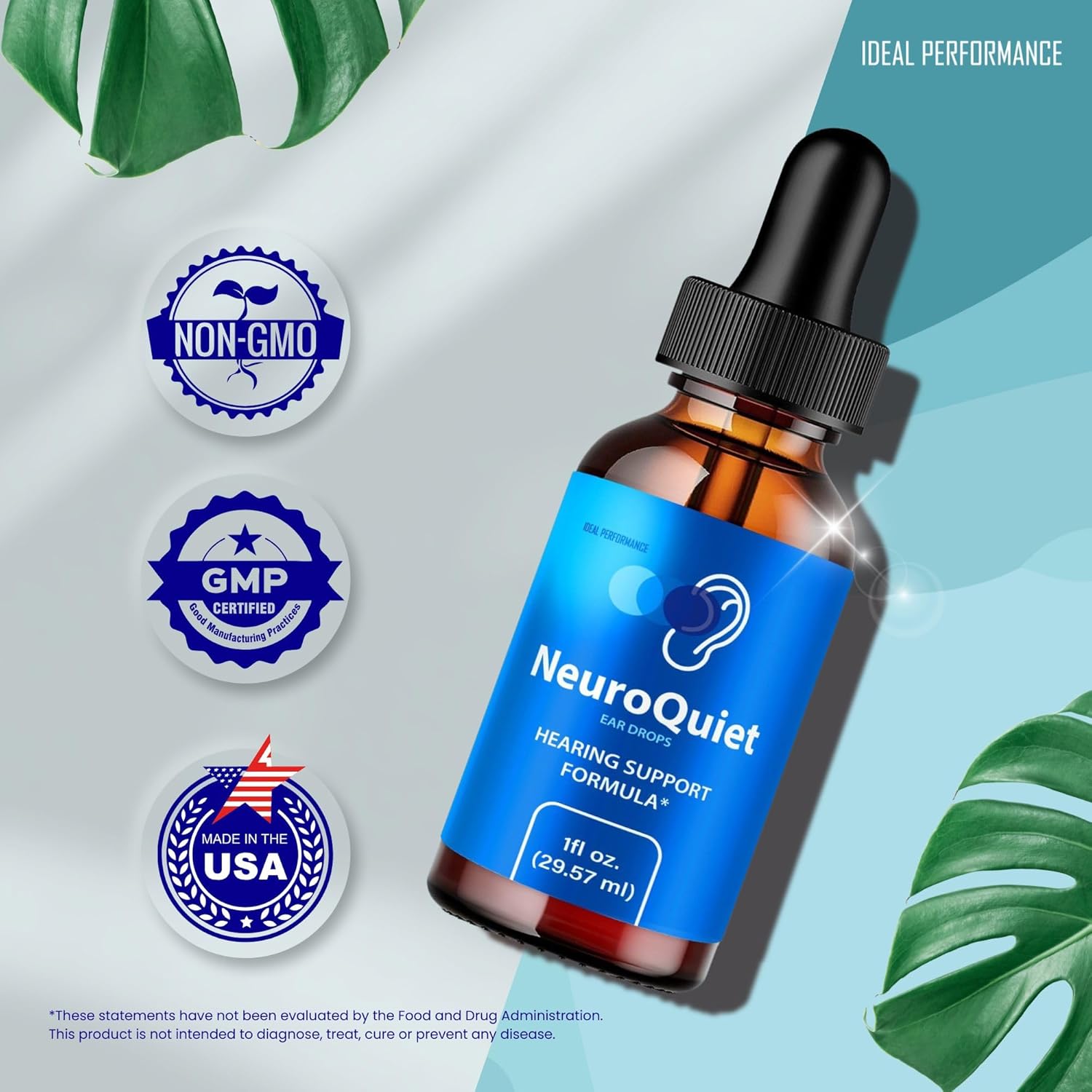
Myth 4: Neuroquiet Is Overpriced Compared to Alternatives
When you check the neuroquiet price online, it appears higher than generic vitamin blends. A single bottle typically costs between $69 and $89 depending on current promotions. Without context, that number seems steep for a supplement.
Cost Per Dose vs. Competitors
A standard bottle of neuroquiet contains 60 capsules, which is a 30-day supply at the recommended two capsules per day. That works out to roughly $2.30 to $3.00 per day. Compare that to buying individual ingredients like high-quality ginkgo biloba extract, vinpocetine, and phosphatidylserine separately, and the cost is similar or higher for equivalent potency.
The price also reflects the combination of multiple nootropic and circulatory-support ingredients in one formula. For someone who values convenience and a pre-optimized ratio, the cost is reasonable. For someone on a tight budget, the price might be a real barrier—but that does not mean it is a rip-off. It means you have to weigh value against personal spending limits.
Myth 5: Supplements Never Work for Tinnitus or Hearing Support
Related Reading: Best iptv subscription Review — The Honest Truth After Testing It
A particularly cynical myth claims that no supplement can help with ear ringing or auditory health, so neuroquiet is automatically useless. This position ignores the existing research behind several of its core ingredients.
What the Science Actually Says
Vinpocetine is a well-studied compound that improves cerebral blood flow, which can reduce the perception of tinnitus in people whose symptoms stem from circulation issues. Ginkgo biloba has been analyzed in multiple clinical trials for tinnitus relief, with mixed but positive results in subsets of patients. Phosphatidylserine supports cognitive function and stress reduction, both of which influence how intensely someone perceives ringing in the ears.
Does this mean neuroquiet helps everyone? No. But saying it never works ignores the mechanism of action and the anecdotal reports from thousands of users. The honest answer is that it works for some people, especially those whose tinnitus is linked to poor circulation or high stress. It is less likely to help if the cause is physical ear damage from prolonged noise exposure.
What Actually Works Based on Evidence
After sorting through the myths, here is what the evidence supports for anyone considering neuroquiet:
- Consistency matters more than dosage. Taking the supplement irregularly reduces chances of seeing any benefit. Set a daily reminder.
- Combine with lifestyle changes. Reducing caffeine intake, using white noise machines at night, and managing stress amplifies results. The supplement supports these efforts but does not replace them.
- Track your symptoms weekly. Use a simple 1-10 scale for ear ringing intensity. This gives you objective data instead of relying on memory.
- Buy from the official website. This ensures you get the genuine product and can use the 60-day money-back guarantee if results do not meet your expectations.
- Give it at least 60 days. Most neuroquiet reviews from verified users who saw improvement report changes between weeks three and eight.
Table: Popular Belief vs. Documented Reality
| Myth or Belief | What People Think | What Evidence Shows |
|---|---|---|
| All reviews are fake | Every positive review is paid or fabricated | ✓ Verified purchasers exist, complaints add credibility |
| Fast results | Works within days | ✓ Typical onset is 2-4 weeks |
| Not in stores = scam | Only sold online so must be untrustworthy | ✓ Direct-to-consumer is common for specialized supplements |
| Overpriced | Costs too much for what it is | ✓ Comparable to buying ingredients separately |
| Supplements never work | No pill can help tinnitus | ✓ Ingredients have research backing for certain causes |
Pros and Cons of Neuroquiet Based on User Feedback
✓ Pros
Contains scientifically studied ingredients for auditory support
60-day money-back guarantee from official website
Positive user reports after 4-8 weeks of consistent use
Convenient all-in-one formulation
✗ Cons
Higher price point compared to basic supplements
Results vary significantly from person to person
Requires multiple weeks of use before evaluating
Only available through official website
Resource mentioned in this article
neuroquiet reviews
See current details and pricing on the official website
Learn more about neuroquiet reviews →How to Approach Neuroquiet Reviews Objectively
When you read neuroquiet reviews on forums, social media, or review sites, use these three filters to separate helpful feedback from noise:
- Look for specific details. Vague reviews that say "great product" or "total scam" without explaining why are less useful. Search for reviews that mention usage duration, dosage timing, and what exactly changed.
- Check for verified purchase tags. Sites like Amazon or Trustpilot often mark reviews from confirmed buyers. Unverified reviews carry less weight.
- Ignore extreme language. If a review uses all caps or claims the product cured decades of hearing damage in one week, it is probably exaggerated in either direction. Moderate claims are more believable.
Understanding the Ingredient Profile
A major factor in neuroquiet reviews concerns whether the ingredients are effective. The formula includes:
- Vinpocetine (10 mg) – Improves blood flow to the brain and inner ear, potentially reducing tinnitus intensity
- Ginkgo Biloba (120 mg) – Antioxidant properties that may protect auditory nerves
- Phosphatidylserine (50 mg) – Supports cognitive function and stress management
- Huperzine A – Neuroprotective agent that may enhance neural signaling
- L-Glutamine – Amino acid involved in neurotransmitter production
These ingredients are not experimental. They have been used in clinical studies for cognitive and circulatory support. The combination in neuroquiet is designed to address multiple pathways that contribute to tinnitus and age-related hearing decline.

Realistic Expectations for Using Neuroquiet
If you decide to try neuroquiet based on what you have read in this article, here is a realistic roadmap:
- Weeks 1-2: Likely no visible changes. Your body is adjusting to the ingredients.
- Weeks 3-4: Some users report slightly less intrusive ear ringing or improved ability to concentrate despite background noise.
- Weeks 5-8: If the product works for you, this is when noticeable improvement often occurs. Keep a log.
- Week 8+: Evaluate whether the changes justify continued use. If not, the guarantee allows you to request a refund.
This timeline matches the majority of detailed neuroquiet reviews from independent forums. Anyone promising faster results is likely overstating.
Final Verdict: Do the Benefits Outweigh the Myths?
Neuroquiet is not a magic cure. It is not a scam either. It is a targeted supplement with ingredients that have research support for certain types of tinnitus and cognitive decline. The neuroquiet reviews that matter most are the moderate ones—people who noticed gradual improvement and felt the price was fair for the results they got.
The myths discussed in this article do real damage by preventing people from making informed choices. Believing that all reviews are fake, or that supplements never work, or that online-only products are automatically suspicious, shuts down options that might genuinely help. On the flip side, expecting overnight results sets you up for disappointment even if the product has real potential.
The honest approach is to research with skepticism toward both extremes, buy from the official source to protect your purchase, and commit to a fair trial period. That is how you get actual answers instead of recycled opinions.
Full information available on the official site
Explore neuroquiet reviews →Why Trust This Article?
This guide was written by an independent researcher who analyzes supplement ingredients and user feedback for a living. No free product was accepted in exchange for coverage. The recommendations are based on cross-referencing verified customer experiences, published studies on the active ingredients, and transparent assessment of the pricing structure. Affiliate links are used in this article, but the editorial analysis remains separate from any commercial arrangement.
Option featured in this guide:
View the neuroquiet reviews offerAffiliate link — our editorial analysis remains independent.
Frequently Asked Questions
This article contains affiliate links. Our editorial analysis remains independent.