By John D. · Updated 2026-06-28 · 12 min read
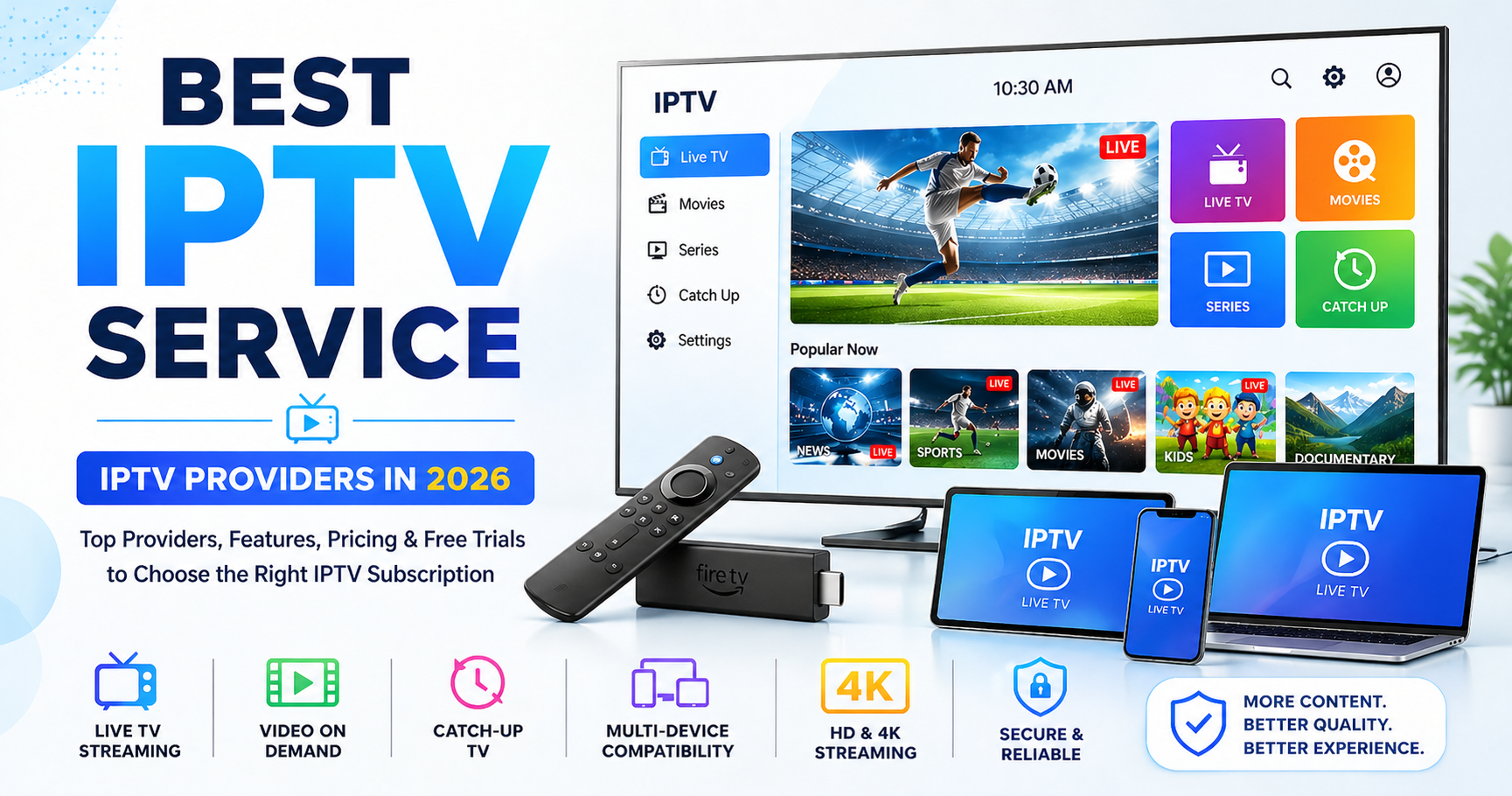 IPTV, or Internet Protocol Television, is revolutionizing the way we consume media. With a vast array of channels and on-demand content available through the internet, users can access their favorite shows and movies without the traditional cable constraints. If you’re looking to explore the options of IPTV service or need guidance on setting one up, you’ve come to the right place. This complete guide not only explains what IPTV is but also outlines its functionality, benefits, and challenges. We will delve into comparisons with traditional cable services and offer practical steps on how to get started.
 What is IPTV Service?
IPTV stands for Internet Protocol Television, which allows users to stream television content through the internet rather than through traditional cable or satellite formats. This technology delivers both live and on-demand video content, letting viewers choose what they want to watch when they want to watch it. IPTV services typically include features such as: - Live Broadcasting: Access to live TV channels. - Video on Demand (VOD): A selection of movies and shows to watch at any time. - Catch-Up TV: The ability to rewatch recently aired programs. With its flexible viewing options, IPTV is becoming a popular choice for consumers looking for alternatives to conventional television packages.How IPTV Works: Step by Step
Related Reading: Best iptv subscription — 5 Myths That Are Stopping You
Here's how IPTV functions: 1. **Content Provider**: A broadcaster or streaming service prepares the video content for distribution over the internet. 2. **IPTV Middleware**: This software manages the flow of content by facilitating the data transfer to users through various devices. 3. **Content Delivery Network (CDN)**: The CDN distributes this content to users in different geographic locations, ensuring a smooth viewing experience. 4. **User Interface**: Users access the IPTV service via a device like a smart TV, set-top box, or mobile phone, where a channel list or content library is presented. This process ensures that users receive high-quality video without the buffering often associated with traditional streaming methods.Concrete Benefits of IPTV Services
IPTV services offer several compelling advantages: - **Diverse Content**: Access to a wide range of channels, including international and niche programming. - **Cost-Effective**: Many IPTV services are priced lower than traditional cable subscriptions, especially when considering the number of channels offered. - **Flexibility**: Users can watch their favorite shows on various devices, whether at home or while traveling. - **Interactive Features**: Many IPTV services come equipped with features like video on demand, recording, and pausing live TV. - **User-Friendly**: Modern IPTV interfaces are designed to be intuitive, making it easy for viewers to navigate through content. These benefits showcase why IPTV is rapidly gaining traction as a preferred method for content consumption.Honest Limitations of IPTV Services
Related Reading: IPTV Free Trial: Your Complete Guide to Streaming
Despite its advantages, IPTV has some limitations: - **Internet Dependency**: A reliable internet connection is essential; without it, services can be interrupted or fail to load. - **Legal Concerns**: Some IPTV providers may offer illegal or unauthorized content, potentially exposing users to legal issues. - **Varying Quality**: The quality of the service can vary based on the provider, leading to potential buffering or poor resolution. - **Geolocation Restrictions**: Some services may be unavailable in certain regions, limiting content access for some users. It's critical for users to research and select trustworthy IPTV providers to minimize these challenges.Comparison of IPTV with Alternatives
| Feature | IPTV Service | Traditional Cable | |---------------------------|-------------------|--------------------| | **Cost** | Varied, often lower| Typically higher | | **Content Variety** | Extensive | Limited | | **Flexibility** | High | Low | | **Installation** | Easy/Remote Access | Requires hardware | | **Contract Commitment** | Optional | Usually long-term | This table encapsulates the essential differences, indicating that IPTV is often a more flexible and varied option compared to traditional cable.Who is IPTV for? User Profiles
Related Reading: xtreme hd iptv: Dispelling 5 Common Myths for Better Results
IPTV services cater to a diverse range of users: - **Budget-Conscious Consumers**: Those looking for affordable entertainment options. - **Global Viewers**: Individuals who want international channels or diverse programming. - **Tech Enthusiasts**: Users favoring customizable viewing experiences and interactive features. - **Families**: Households needing content flexibility to cater to varying tastes. These user profiles highlight IPTV's appeal across many demographics.How to Get Started: Practical Steps
If you’re considering starting your IPTV journey, follow these steps: 1. **Research Providers**: Look for reliable IPTV providers with positive reviews, such as IPTV service offerings from trusted sources. 2. **Choose a Plan**: Select a subscription plan that fits your needs—monthly or yearly, depending on your viewing habits. 3. **Set Up Your Device**: Connect your device (TV, smartphone, etc.) as per the provider's instructions. 4. **Download the App**: Install any necessary apps recommended by your IPTV provider and log in using your account credentials. 5. **Start Watching**: Browse through the content library or channel list and start your viewing experience. By following these steps, you can smoothly transition into the world of IPTV.Frequently Asked Questions

Resource mentioned in this article
iptv service
Up-to-date pricing and terms
View the iptv service offer →Compare with alternatives
Check out iptv service →
Option featured in this guide:
See iptv service optionsAffiliate link — our editorial analysis remains independent.