By Jamie T. · Updated 2026-06-30 · 8 min read

The concept of a self-sufficient backyard can transform your living space into a paradise of fresh produce, sustainable resources, and rewarding tasks. By the end of this guide, you will have the foundational knowledge to start your self-sufficient journey, ensuring fresh vegetables and herbs right from your backyard.
This guide walks you through the essential steps for starting your self-sufficient backyard, highlighting common mistakes and optimization tips to make your garden thrive. Whether you're a novice or have some gardening experience, you’ll find practical strategies to achieve your self-sufficient goals.
What You Will Accomplish
By following this guide, you can create a backyard that not only provides food but also contributes to ecological sustainability. You'll learn how to cultivate your own fruits and vegetables, manage pest control without chemicals, and harness composting techniques to enrich your soil. Ultimately, this journey will lead to a fresher lifestyle and a greater connection to your food source.
What You Need Before Starting
Related Reading: Free PlayStation Gift Cards vs the Alternatives — Honest Comparison
Before diving into your self-sufficient backyard project, consider gathering the following essentials:
- Space: A suitable area in your yard or garden.
- Basic tools: Shovel, rake, hoe, and gardening gloves.
- Seeds or seedlings: Choose local, seasonal plants to start.
- Water source: Ensure you have easy access to enough water for your plants.
Having these materials ready will streamline your initial setup, making the process more enjoyable and effective.
Step 1: Planning Your Backyard Layout
Begin by deciding what to grow based on your space, climate, and preferences. Effective planning includes:
- Mapping out your yard, considering sun and shade areas.
- Deciding the placement of raised beds, if you're using them.
- Incorporating companion planting to maximize productivity.
Watch for the sunlight patterns; certain plants require full sun, while others prefer partial shade. Mark your planned areas with stakes or string to visualize the layout.
Step 2: Common Mistakes to Avoid
Related Reading: Free Discord Nitro: 5 Myths That Are Wasting Your Time
Many beginners often overlook critical aspects of starting their backyard garden. Common mistakes include:
- Overplanting: More isn't always better; space your plants adequately to avoid competition.
- Ignoring soil quality: Invest in good soil, as it is essential for plant health.
- Not researching plant needs: Every plant has specific water, sunlight, and nutrient requirements.
These missteps can lead to frustration and stagnated growth. Take time to educate yourself about each plant you plan to grow for optimal results.
Step 3: Optimization Tips for Healthy Growth
Once you have your layout and plants established, ensure they're thriving with these optimization tips:
- Regularly check soil moisture; over- or under-watering can harm your plants.
- Incorporate organic fertilizers to boost nutrient levels.
- Practice crop rotation to prevent soil depletion and reduce pest buildup.
Monitoring the health of your plants is key—observe for any signs of distress or disease early and address issues promptly. Healthy plants lead to plentiful harvests.
Step 4: Finalization and Verification
Related Reading: Pineal Reviews: Your Complete Guide to Supplements
After planting, your task isn't done. Regular maintenance and checks are vital. Create a schedule for:
- Watering: Based on weather conditions—hotter days may require more attention.
- Pest management: Use organic methods like neem oil or insecticidal soap.
- Harvesting: Regularly pick ripe produce to encourage more growth.
Documentation can also help you track your progress and make necessary adjustments throughout the growing seasons.
Troubleshooting Common Issues
Even the best-laid plans can face hiccups. Should you encounter problems like yellowing leaves, pests, or poor fruiting, consider these troubleshooting steps:
- Assess soil health: Test for pH and nutrient levels if growth stalls.
- Inspect for pests: Regularly check undersides of leaves and plant stems.
- Modify your watering schedule: Adjust based on environmental conditions and soil type.
Quickly addressing issues can save your garden and help you learn for future planting seasons.
Summary Table of All Steps
| Step | Action |
|---|---|
| 1 | Plan your backyard layout. |
| 2 | Avoid common beginner mistakes. |
| 3 | Optimize your garden for growth. |
| 4 | Finalize and regularly verify progress. |
✓ Pros
Fresh food supply directly from your home.
Enhanced environmental sustainability practices.
Increased physical activity and mindfulness through gardening.
✗ Cons
Requires significant time and effort investment.
Initial costs for tools and seeds may be high.
Learning curve involved with gardening techniques.
Resource mentioned in this article
The Self Sufficient Backyard
Compare with alternatives
Check out The Self Sufficient Backyard →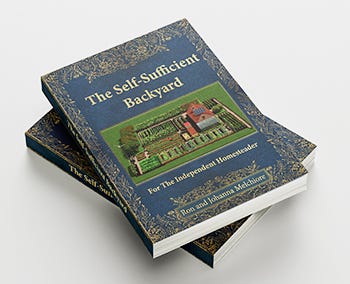
Usage guide and pricing
See The Self Sufficient Backyard options →
Option featured in this guide:
Find out more about The Self Sufficient BackyardAffiliate link — our editorial analysis remains independent.
Frequently Asked Questions
This article contains affiliate links. Our editorial analysis remains independent.