By Alex T. · Updated 2026-06-09 · 12 min read
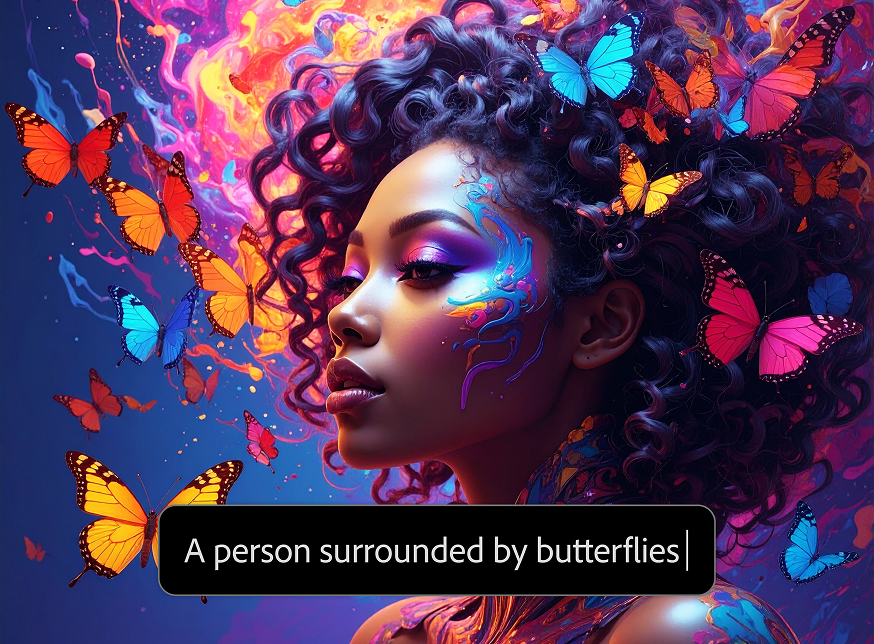
You type a sentence. A picture appears. That is the promise of an AI image generator, and it works surprisingly well. These tools take your written description and turn it into a visual you can download, edit, or publish. No drawing skills required.
This guide covers exactly how these tools work, where they fall short, and how you can use them for real projects like book covers, social media posts, and print-on-demand merchandise. Whether you are looking for the best free AI image generator for commercial use or want to understand the technology before paying for anything, you will find practical answers here.
What is an AI Image Generator Exactly?
An AI image generator is software that creates original images from text descriptions. The technology behind it is called a diffusion model, which learns from millions of existing images how to build new ones that match your prompt.
Think of it as a translator between natural language and pixels. When you type "a golden retriever wearing a detective hat in the rain, watercolor style," the model breaks down each element — subject, setting, style, lighting — and generates something that combines those features.
These are not filters, templates, or stock photo collections. Every output is freshly generated. The image you receive has never existed before, which makes these tools valuable for copyright-conscious creators who need unique visuals.
The Key Components
- Text encoder — interprets your prompt into mathematical instructions
- Diffusion model — builds the image step by step from random noise
- Image decoder — refines the final output to 4K resolution or higher
- Upscaler — adds detail for large-format printing
How an AI Image Generator Works Step by Step
Related Reading: Why You Need This All In One AI Tool Before It Changes Forever
Understanding the process helps you write better prompts and avoid common frustrations. Here is how it happens under the hood.
- You write a prompt. Be specific: "a ceramic mug on a wooden table, morning sunlight, photorealistic" works better than "mug."
- The model breaks down your text. It identifies objects, colors, textures, lighting cues, and artistic styles.
- Random noise is generated. The model starts with a completely random gray-and-color field.
- Denoising begins. Over several seconds, the model removes noise while aligning the image with your prompt. This happens in about 50-100 steps.
- Final image is assembled. The result is checked for alignment, then upscaled for download.
Most modern tools complete this cycle in 5 to 30 seconds depending on complexity and resolution settings. Free tiers often limit you to lower resolution or slower processing queues.
Concrete Benefits for Users
People adopt AI image generation for specific, measurable reasons. Here is what it actually delivers.
✓ Pros
Rapid prototyping for designers
No licensing fees or attribution required
Endless style variations in minutes
Works for any visual concept you can describe
Zero drawing ability needed
✗ Cons
Faces and hands often look unnatural
Consistency across multiple images is difficult
Fine print clarity suffers at small sizes
Some platforms restrict commercial use
High-quality outputs consume significant GPU time
Resource mentioned in this article
AI image generator
Usage guide and pricing — commercial-ready outputs with no sign-up required
See AI image generator options →Honest Limitations You Should Know
Related Reading: Reasons Free Fire Diamond Hack Works Like Magic
No tool is perfect. Knowing the weaknesses prevents wasted time and disappointment.
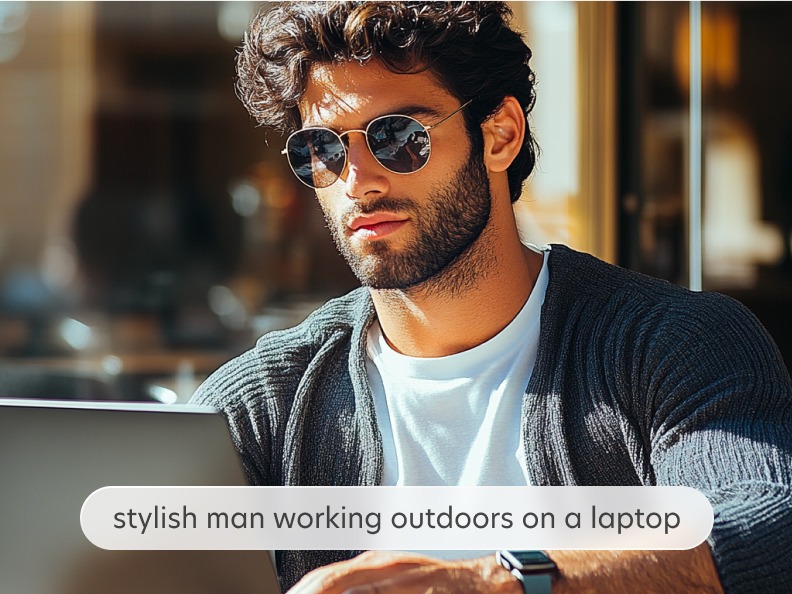
Realistic faces remain a challenge. The best AI image generator for realistic faces still occasionally produces uncanny eyes, asymmetrical features, or extra teeth. If your project demands photorealistic portraits, expect to regenerate 3-5 times for a usable result.
Text in images is unreliable. Ask an AI image generator to create a sign that reads "Grand Opening" and it will likely produce gibberish shapes that resemble letters. For readable text, add it afterward in Photoshop or Canva.
Consistency across a series is hard. If you want the same character in 10 different poses, most free tools will change their appearance each time. Dedicated character reference features exist only in advanced paid tools.
Commercial use restrictions vary. Before using AI-generated art for print-on-demand products, verify the platform's terms. Some require a paid subscription for commercial rights. Look specifically for the best free AI image generator for commercial use if budget is tight, and always read the fine print.
Comparison with Traditional Alternatives
How does an AI image generator stack up against traditional approaches? The table below compares the main options you might consider.
| Criteria | AI Image Generator | Stock Photo Sites | Freelance Designer |
|---|---|---|---|
| Cost per image | $0.002 - $0.05 | $5 - $50 license | $50 - $500+ |
| Uniqueness guarantee | ✓ Always unique | No (same image sold many times) | ✓ Fully unique |
| Speed | ✓ 10-30 seconds | ✓ Instant search | 1-7 days turnaround |
| Customization control | Moderate (prompt-dependent) | Low (pre-shot subject) | ✓ Complete control |
| Learning curve | Low (writing skill needed) | None | Requires briefing skill |
For social media posts where you need fresh visuals daily, an AI image generator for social media posts wins on speed and cost. For a unique mascot or character design, a human artist still produces more coherent results. The tools complement each other rather than replacing one entirely.
Who It Is For — User Profiles
Related Reading: Tired of Wasting Money? Instantly Check Your Free Best Buy Gift Card Balance
Different people use AI image generation for different outcomes. Here is how it fits specific workflows.
Independent Authors and Self-Publishers
Looking for an AI image generator for book cover art? You can produce multiple mockups in one sitting, test different genres (fantasy, thriller, romance), and refine until the vibe matches your story. Many authors generate 20-30 options before selecting the final direction.
Small Business Owners
Product photography is expensive. For testing packaging concepts or creating ad variations, an AI image generator lets you visualize ideas before committing to production. The can I use AI image generator for print on demand question is common — yes, if the terms allow commercial use, and many do.
Artists and Illustrators
An AI image generator review for artists usually highlights idea generation and mood boards. Artists use AI to visualize thumbnails or explore color palettes, then hand-draw the final piece. It is a reference tool, not a replacement.
Up-to-date pricing and terms for commercial use
View the AI image generator offer →How to Get Started — Practical Numbered Steps
Here is a practical workflow to produce usable images today, whether you want to use AI image generator for free or explore paid options.
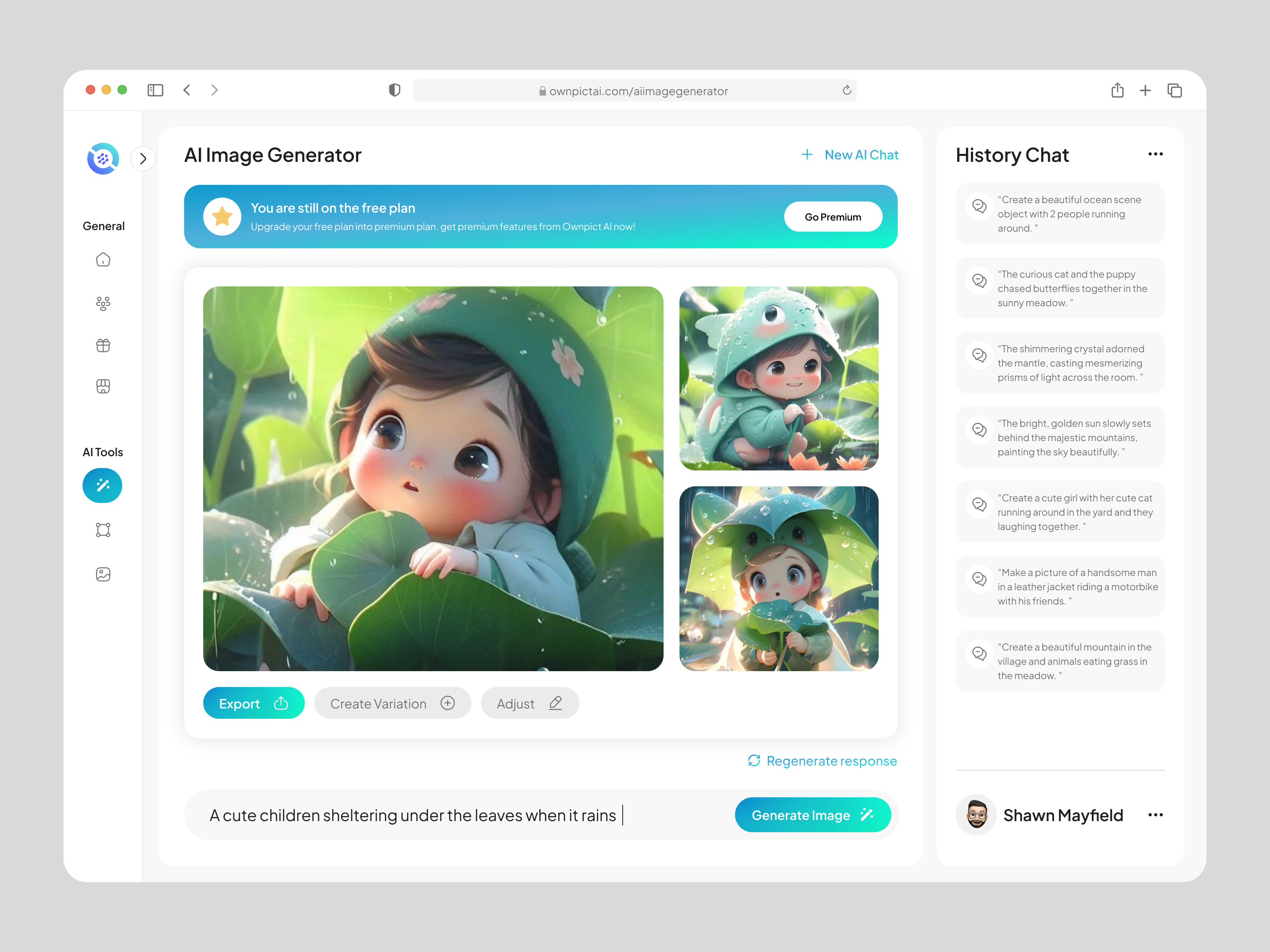
- Choose a platform. For first-timers, look for an AI image generator no sign up option to test without commitment. Many platforms offer 5-10 free generations.
- Write your prompt. Use this structure: subject + action + setting + lighting + style + mood. Example: "a brown leather backpack on a picnic table, golden hour sunlight, realistic photo style, warm and nostalgic."
- Add negative prompts. Specify what you do not want: "blurry, low quality, distorted hands, text." This dramatically improves output consistency.
- Generate 4-8 variations. Do not settle for the first result. Small prompt changes produce drastically different images. Adjust one word at a time.
- Upscale the winner. Always choose the highest resolution available, especially if you plan to print. 1024x1024 is minimum for social media; 2048x2048 or higher for book covers.
- Save with metadata. Keep your prompt and settings saved alongside the image. You will need them for future revisions or if you create a series.
If you cannot find a where to find AI image generator no sign up option that meets your quality requirement, consider platforms with a free tier that requires basic registration. The trade-off is usually limited daily generations versus high-quality outputs.
Advanced Tips for Better Results
Once you have the basics down, these techniques separate average results from professional-grade images.
Use style modifiers consistently. Terms like "cinematic lighting," "f/1.8 aperture," "shot on Fujifilm Provia," or "octane render" add realism. For illustrations, try "Studio Ghibli style," "art nouveau," or "graphic novel ink."
Seed locking creates consistency. Some tools let you save a "seed number" from an image you like. Reusing that seed with similar prompts keeps the subject looking the same across multiple generations.
Combine AI with editing software. Generate a background and a separate character, then composite them in Photoshop. This bypasses the consistency problem and gives you full control.
Frequently Asked Questions
Final Thoughts
An AI image generator is a powerful addition to any creative workflow, but it works best when you understand its strengths and blind spots. Use it for speed, ideation, and budget-friendly visual content. Pair it with human editing for polished, commercial-ready results.
If you are ready to experiment, start with a platform that offers free trials or a no sign up option. Test 20 prompts, note what works, and refine your language. The difference between a mediocre output and a stunning one is often just three or four strategic words.
Option featured in this guide:
Learn more about AI image generatorAffiliate link — our editorial analysis remains independent.
This article contains affiliate links. Our editorial analysis remains independent.